Sustained care critical for Gaza’s child amputees

By Neena Bhandari

Sydney, 10.06.2026 (SciDev.Net): Thousands of children in Gaza, who have undergone amputations during the war, need their prostheses modified, repaired or replaced every six to 12 months or sooner, as they grow. But with healthcare services severely strained and rehabilitation resources scarce to non-existent, specialists and aid organisations warn that young amputees face an uncertain future without sustained access to the care they need.

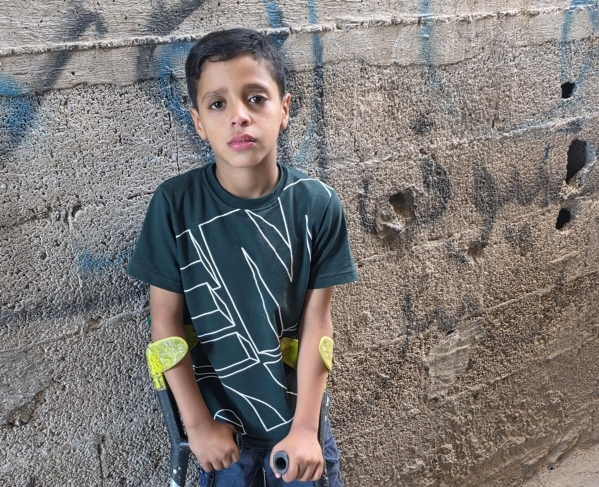
Eight-year-old Mohammed Akram Abu Aker’s right leg was severed in June 2025 by shrapnel from an artillery shell, just as he and his family were attempting to flee following an Israeli airstrike on a neighbour’s house in Gaza. The shrapnel penetrated multiple parts of his body, causing extensive wounds.

About 10,000 children have sustained life-changing injuries in Gaza since October 2023, according to the World Health Organization (WHO). One in five out of more than 5,000, who have undergone limb amputations, is a child.

Continue Reading on SciDev.Net

© Copyright Neena Bhandari. All rights reserved. Republication, copying or using information from neenabhandari.com content is expressly prohibited without the permission of the writer and the media outlet syndicating or publishing the article.

Fontainhas – a unique living heritage

By Neena Bhandari

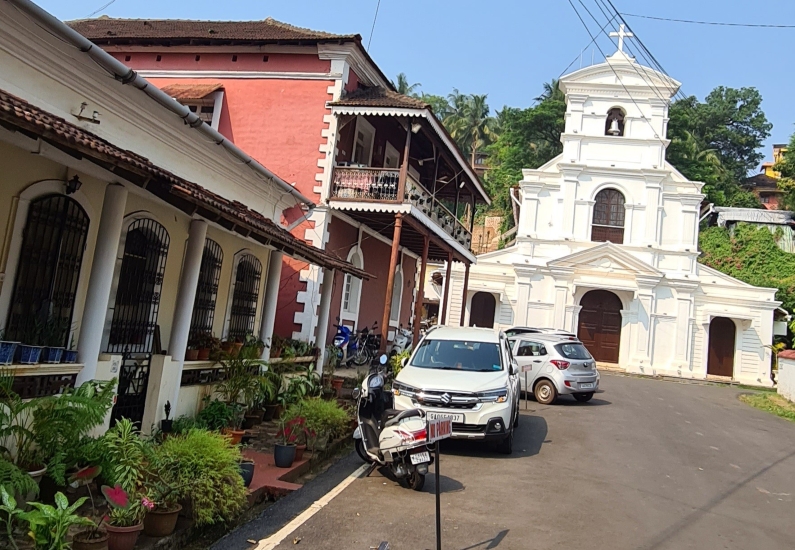
Fontainhas, the Latin Quarter of Panaji (Goa), is a unique living heritage. During my sojourn in this charming neighbourhood, I meet members of ancestral Goan families, who take pride in preserving their heritage and care for their traditional homes. Through the voices of its residents, beginning with Jack Sukhija, Partner at WelcomHeritage Panjim Inn, I trace the past of this distinctive cultural enclave, widely regarded as unlike any other in India, and examine what is needed to conserve it for the future.

Jack Sukhija, partner at WelcomHeritage Panjim Inn in Fontainhas, recalls growing up in Goa in a tight knit community with plenty of green open spaces, and uncrowded streets and beaches.

“It was an idyllic childhood. Everyone knew each other, which sometimes had its downsides”, quips Sukhija, who hails from a business family. At 19, he stepped up to help his father put one of the small businesses, that had gone bankrupt, back on the rails. This encouraged him to join the family in running the heritage hotel business.

Continue reading

Low-cost fixes can ease heat stress for garment workers

By Neena Bhandari

Sydney, 24.10.2025 (SciDev.Net): Simple, low-cost interventions could help reduce heat stress for the millions of people who work in garment factories in Bangladesh, where extreme temperatures make conditions unbearable, according to Australian researchers.

Climate change-led extreme heat and humidity is putting the health and earnings of garment workers in Bangladesh and other low- and middle-income countries at increasing risk, say researchers of a study led by the University of Sydney. Their study published in The Lancet Planetary Health on Monday (20 October), reveals how simple, affordable, low-carbon interventions could reduce heat stress and protect workers’ productivity and earnings in Bangladesh’s ready-made garment sector.

The industry employs over 4 million people in the country, about 60 per cent of them women, according to the International Labour Organization. Fahima Akter Beauty, a 24-year-old single mother from Ashulia suburb on the outskirts of Dhaka, has been working for three years in a factory that manufactures knitwear. She feels it is getting hotter and the heat makes her stressed and restless, leading to poor concentration, headaches and drowsiness.

Continue reading